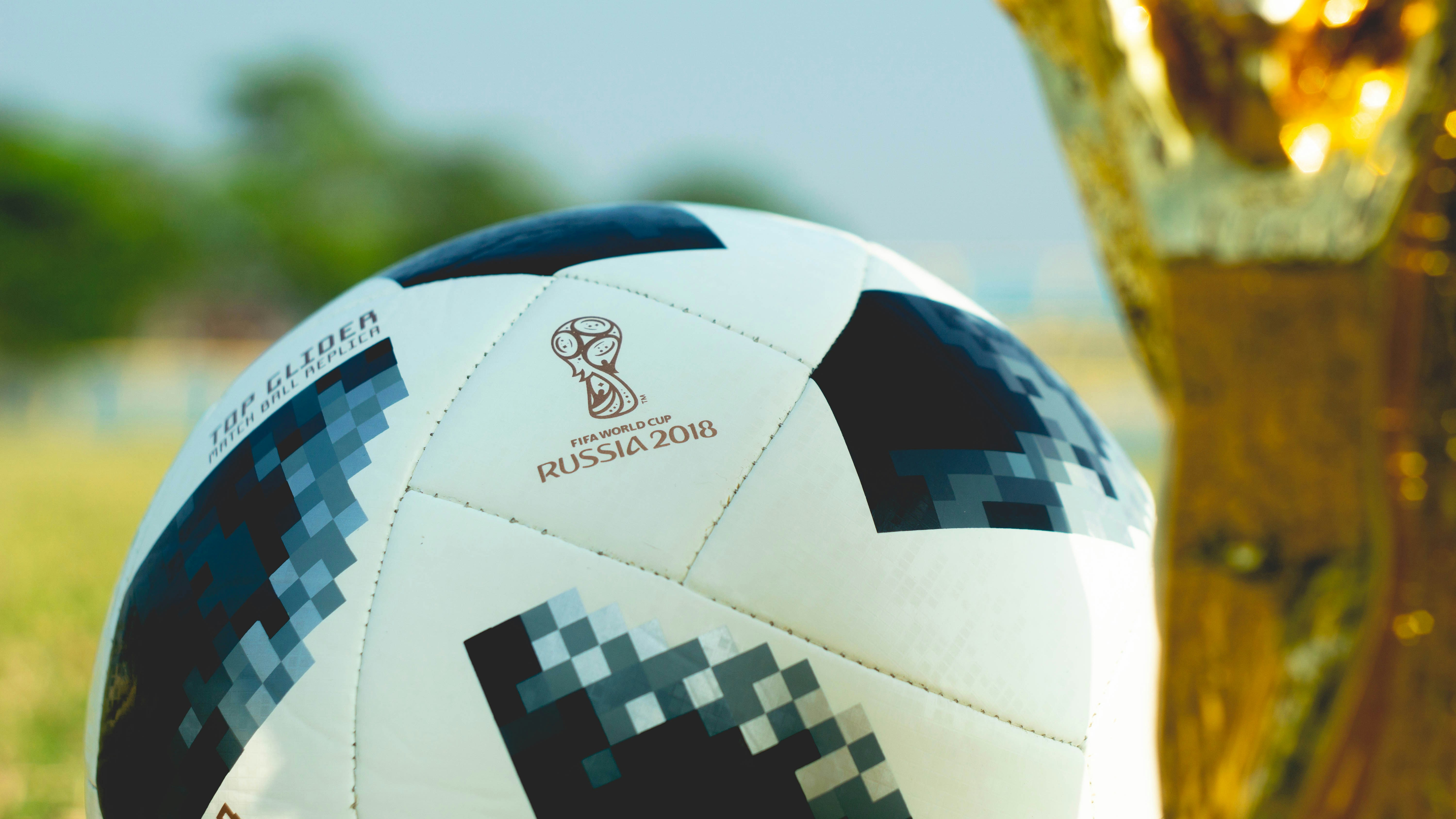

The introduction of the Video Assistant Referee, or VAR, promised to revolutionize football by ensuring accuracy and fairness in decision-making. However, as we gear up for the 2026 World Cup, VAR still has its fair share of critics. Why is it that some fans, almost a decade after its introduction in the 2018 World Cup, still nurse a deep-seated dislike for this technological innovation?
The Promise of Precision
Initially, VAR was lauded as a technological marvel that could rectify human error on the pitch. With the stakes so high at events like the World Cup, where the hopes of entire nations are pinned on a single match, who wouldn’t want a system that ensures only the fairest outcomes? VAR was introduced to address contentious calls relating to goals, penalties, red cards, and mistaken identity.
Yet, this quest for laser-sharp precision has its critics.
Disruption of the Beautiful Game
One major grievance among fans is the disruption VAR causes during matches. Football is celebrated for its fluid pace and the seamless ebb and flow of action. VAR, however, marks a shift from this tradition. Close to a goal or a crucial decision, the exhilarating cheer can quickly turn into moments of anxious waiting as referees consult the technology.
- Imagine a nail-biting World Cup final – a goal is scored in the dying minutes, only for celebrations to be paused for a tedious VAR check.
- This grinding halt can dissipate the spontaneous joy that is synonymous with football.
- Fans argue that despite its precision, it lacks the human touch that makes football so unpredictable and exciting.
Subjectivity in Objectivity
While VAR aims for objectivity, there remains a subjective element. Decisions like handballs, which often rely on the referee’s interpretation even with VAR, can still lead to debate. A situation seen time and again at international tournaments, this gray area fuels frustrations when fans feel their team has been treated unfairly.
Moreover, incidents from past tournaments highlight that VAR isn’t infallible. Instances where VAR failed to overturn controversial calls only added fuel to the fire, causing some to wonder whether its benefits truly outweigh the negatives.
Lengthy Decisions and Emotional Impact
The time taken to reach decisions is another prevalent criticism. Some World Cup matches have seen VAR reviews stretch on for several minutes. This not only lengthens the game but also disrupts the spectator experience. As one ardent fan put it, “It’s like watching a movie and being constantly interrupted.” The emotional arc of a match can be severely affected, with momentum shifts that impact players and fans alike.
Is Technological Tension Worth It?
As much as VAR has its faults, it has delivered justice in situations that were previously unresolvable. Watching replays of Diego Maradona’s infamous ‘Hand of God’ goal during the 1986 World Cup makes it clear that VAR could have changed football history, especially for the English fans. But, this raises the crucial question: Should the pursuit of precision come at the cost of football’s emotive core?
As the 2026 World Cup approaches with Team USA promising to put up a strong show, expectations are that VAR will continue to evolve and adapt. The question remains, however, whether fans will come to see it as a vital part of the game or an unwelcome intrusion.
What are your thoughts, dear readers? Do you see VAR as a valuable tool or as a step backward for the essence of the beautiful game? Share your thoughts with us, and stay tuned for more insightful football content at CupVibes.com.