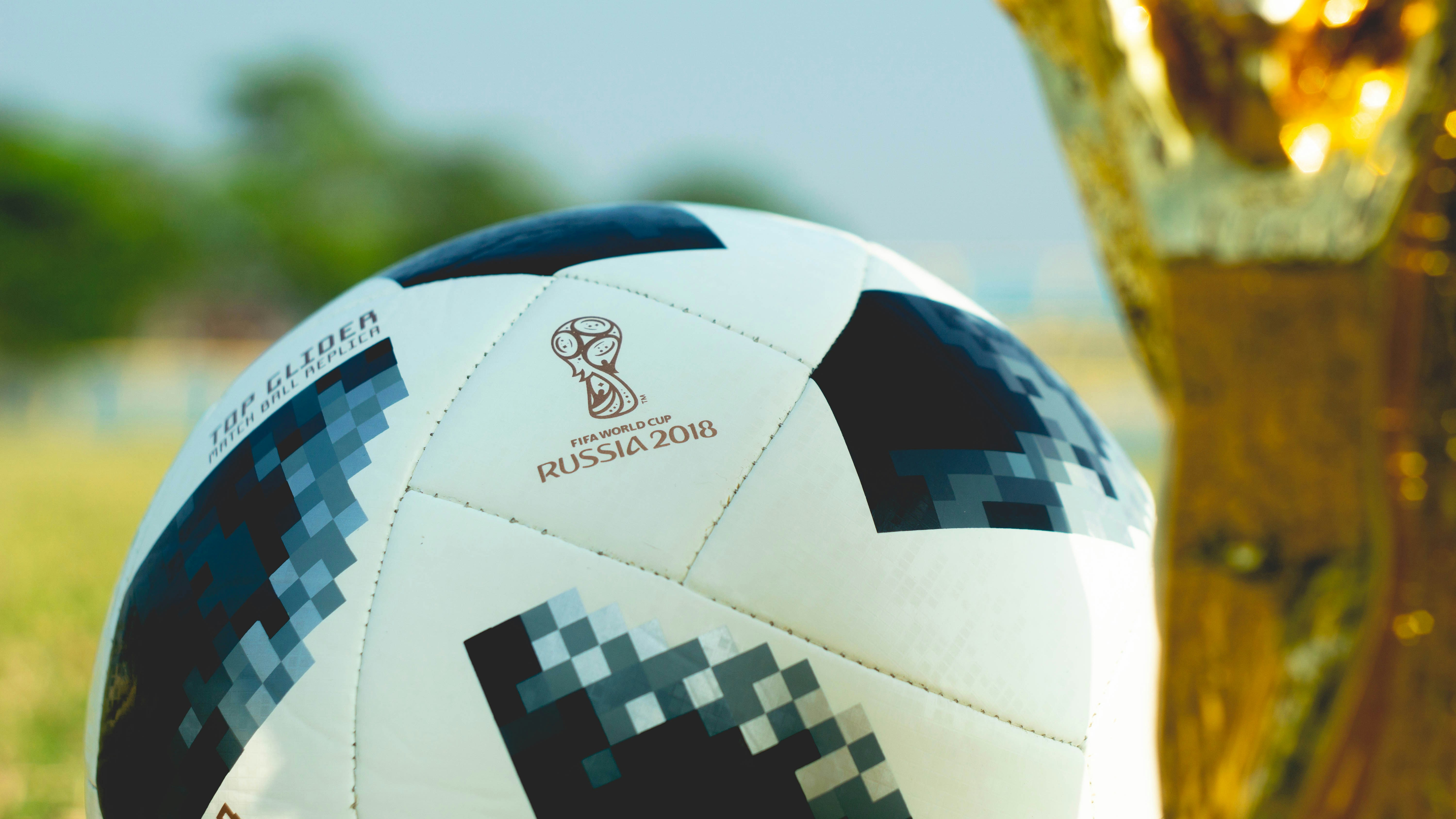

The FIFA World Cup is not just the pinnacle of international football competition but also a grand spectacle that brings fans from around the globe together to celebrate the beautiful game. At the center of this celebration stands the World Cup trophy itself – the ultimate symbol of football excellence and victory. While everyone recognizes this iconic piece of hardware, not many know the intriguing stories and facts behind it. Let’s dive into the fascinating world of the World Cup trophy.
The Trophy’s Origin and Design
The current World Cup trophy, officially known as the FIFA World Cup Trophy, was introduced in 1974. Crafted by Italian artist Silvio Gazzaniga, this trophy replaced the original Jules Rimet Trophy, which lived from 1930 until 1970. Interestingly, Gazzaniga designed this masterpiece to represent the global essence of the competition, with two human figures holding up Earth – a perfect metaphor for the joy and unity football brings to the world.
The trophy stands around 36.8 centimeters tall and weighs a solid 6.175 kilograms. It is made of 18-carat gold and its base contains two layers of malachite, a green semi-precious stone, which is genuinely eye-catching. Next time you see a team captain lift it, remember, it’s not just gold – it’s pure artistry.
A Golden Past – The Jules Rimet Trophy
The original trophy, named after FIFA president Jules Rimet, who initiated the World Cup, has its own list of tales. Made of gold-plated sterling silver, it was designed by French sculptor Abel Lafleur. One of the most thrilling stories about this trophy involves its mysterious disappearance during World War II. With the trophy at risk of being seized by Nazi soldiers, Ottorino Barassi, the Italian vice-president of FIFA, cleverly hid it in a shoebox under his bed until the war’s end. Talk about a nail-biting moment!
In 1966, the Jules Rimet Trophy was stolen just before the World Cup in England. As suspense loomed, the trophy was finally uncovered by a dog named Pickles while on a walk in South London. Pickles became a national hero, reminding us that sometimes, the most valuable finds are made in the most unexpected ways.
Trophy’s Traveling Tales
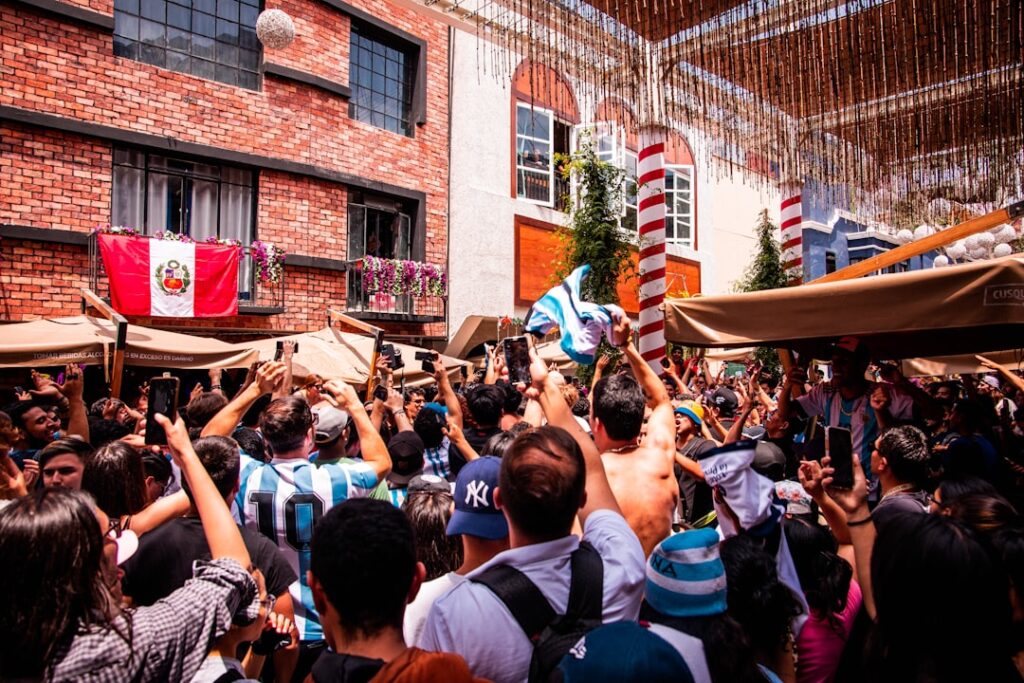
The World Cup trophy is no stranger to travel. Before the tournament, FIFA organizes what is now known as the “FIFA World Cup Trophy Tour.” This global tour allows fans to catch a glimpse and take photos with the trophy, igniting World Cup excitement worldwide. It’s a reminder of football’s unifying power, building anticipation among soccer fans, and giving everyone a chance to dream that it might come to their nation next.
Did You Know?
- The current trophy’s base is inscribed with the names of winning nations since 1974. There’s enough space to engrave names until 2038. Who will etch their name next?
- The last team to win the original Jules Rimet Trophy was Brazil, after which it was permanently awarded to them for achieving three World Cup wins. Sadly, it was stolen in 1983 and has never been recovered.
- Only heads of state and world champions are allowed to touch the trophy – talk about exclusive access!
Conclusion
The World Cup trophy is more than just a golden prize; it is a sculpture of history, hope, and human spirit. While it gleams under stadium lights, the stories behind its shine carve a path between past legends and future glories. As we march toward the World Cup 2026, we can only wonder which team will write their name into history next.
Do you think your team has what it takes to lift the trophy in 2026? Let us know your thoughts and predictions in the comments below. Stay tuned to CupVibes.com for the latest World Cup buzz and much more!