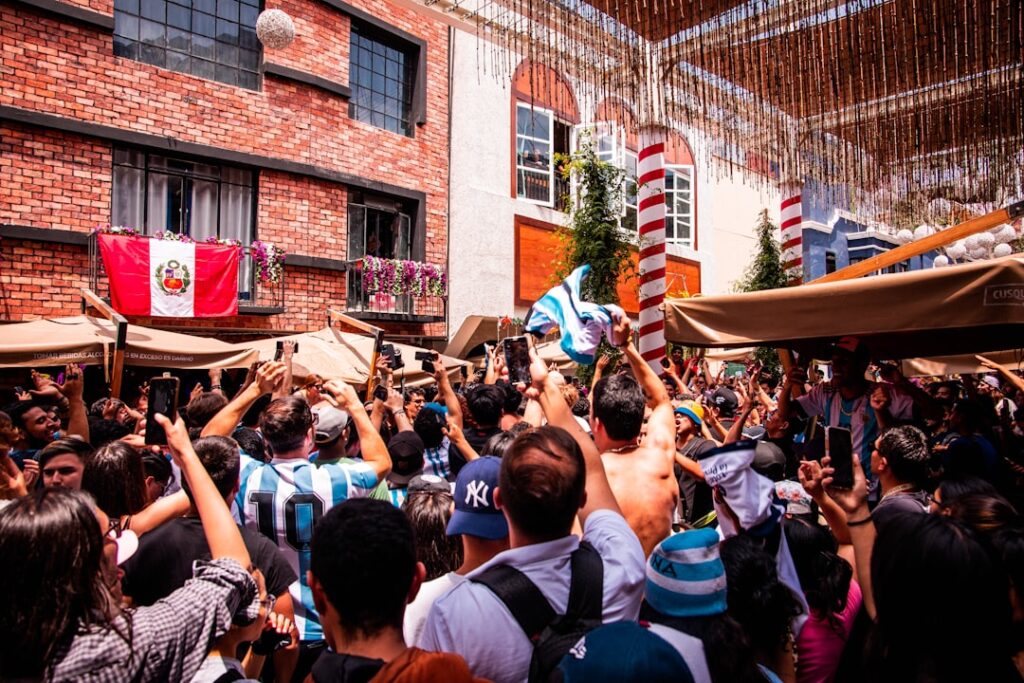

The anticipation is palpable as soccer fans around the globe gear up for the biggest event in football: the FIFA World Cup 2026. This time, the tournament is set to boast an exciting twist for local football enthusiasts in the United States, Canada, and Mexico. Hosting this grand event means that local Major League Soccer (MLS) teams stand at the cusp of a significant transformation. But what exactly does this mean for them? Let’s explore!
Increased Popularity and Visibility
It’s no secret that the World Cup draws a massive global audience. In 2018, an estimated 3.5 billion people tuned in, and the numbers are likely to soar even higher in 2026. With the World Cup taking place on home soil, the exposure for MLS teams is set to increase significantly.
This global spotlight could attract new fans, not just locally but internationally—a golden opportunity for MLS teams to showcase their talent and the growing soccer culture in North America. Sporting Kansas City, New England Revolution, and LA Galaxy could see heightened interest and attendance as global fans become curious about their favorite players’ club sides.
Infrastructure Development
Hosting the World Cup is no small feat. Cities must meet strict infrastructure requirements, which often means modernizing stadiums, enhancing public transportation, and bolstering local facilities. This long-lasting investment will benefit MLS teams and fans beyond the tournament.
Places like Miami, New York, and Dallas are witnessing significant infrastructural developments to align with FIFA standards. Fans can expect enhanced facilities, smoother logistics, and an overall enriched matchday experience for both local and visiting supporters.
Impact on Local Talent
One of the most exciting prospects of hosting the World Cup on home turf is the focus it places on local players. MLS serves as a hotbed for North American talent, offering a unique platform to shine on an international stage. We could witness home-grown stars like Jesus Ferreira and Efrain Alvarez mature into pivotal roles for Team USA or Mexico, respectively.
This increased spotlight could provide additional incentive and motivation for young players in MLS academies who dream of donning their national team’s colors. In the long term, the MLS might become an even more potent breeding ground for world-class talent.
Financial Opportunities
With a global event comes substantial financial opportunity, and MLS teams stand to gain significantly. From sponsorship deals to merchandise sales, the financial windfall could lead to increased revenue for teams, which could translate into higher investments in player development and facilities. Soccer-specific stadium expansions or enhancements could be on the horizon, benefitting not just MLS teams but the local economies as well.
A Boost for Team USA and MLS Players
For Team USA, the World Cup presents a unique chance to shine with the significant advantage of home-ground conditions. Many players on the national team roster are current or former MLS players. The familiarity with local playing conditions, combined with the support of a home crowd, could be pivotal in their performance.
MLS has also historically provided a platform for international players, some of whom might play crucial roles for their national teams. Players like Rayan Raveloson for Madagascar or Aljaz Ivacic for Slovenia will have the rare privilege of featuring in a World Cup on their club’s home soil, potentially enriching their gameplay with local crowd support and familiarity.
A Final Word
The World Cup 2026 promises to be a spectacle like no other. For the MLS, it’s more than just a football tournament; it’s a celebration of how far the league has come and a vision of its potential future. As we prepare for this monumental event, what are your thoughts on how the MLS will capitalize on this golden opportunity?
Let’s stay updated with all things World Cup 2026 by regularly checking in on the latest buzz and analyses at CupVibes.com!