
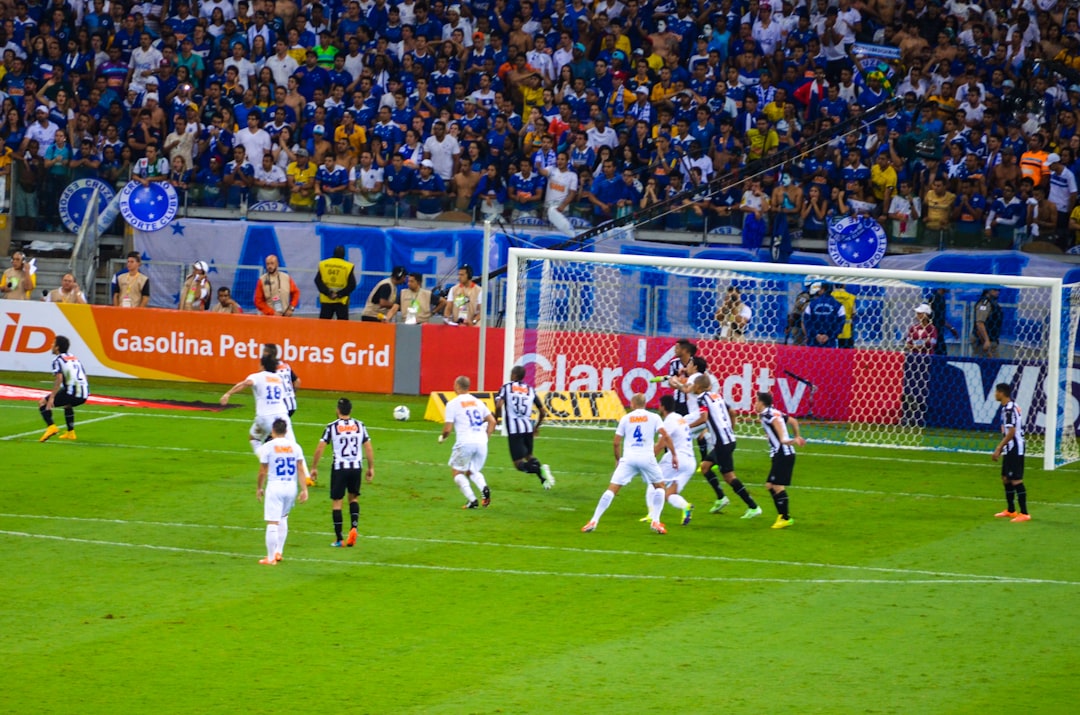
Welcome to the exciting world of football, where the drama of the FIFA World Cup 2026 is just around the corner. Whether you’re a seasoned fan or a newcomer trying to wrap your head around the game, understanding the offside rule is crucial. Often seen as one of the most complex parts of football, the offside rule is like an art form within the beautiful game. Let’s dive into it, breaking it down piece by piece so you’ll be ready to enjoy every tense moment of Mundial action.
What is the Offside Rule?
The offside rule is designed to prevent ‘goal hanging’—a tactic where players sit near the opponent’s goal to score easy points, minimizing the strategic depth of the game. The rule basically states that a player is in an offside position if:
- They are nearer to the opponent’s goal line than both the ball and the second last opponent when the ball is played to them.
- This does not apply when the player is in their own half of the field of play.
- Additionally, they are not offside if they are level with the second last opponent or the ball.
How Offside is Decided
Referees determine whether a player is offside not with a simple glance but through a complex understanding of the sequence of play. In recent World Cups, VAR (Video Assistant Referee) has been instrumental in reviewing offside decisions, adding a layer of precision and occasional controversy to the game.
The assistant referees running the sidelines keep a keen eye, raising their flag when they suspect an offside offense. If you find yourself at a World Cup match, watch the drama unfold as fans live through the anticipation of the referee’s decision!
Common Misunderstandings and Myths
There are several misunderstandings around the offside rule that even seasoned fans sometimes grapple with:
- It’s Offside When: The ball is played to a player in an offside position, not when they receive it. Timing is everything.
- No Offside on Goal Kicks, Throw-Ins, or Corners: These are unique exceptions to the offside rule, allowing teams strategic flexibility.
- Interfering with Play: A player must be actively involved in play to be called offside, which adds subjectivity and keeps analysts engaged worldwide!
The Impact on World Cup Matches
Offside calls have swung the tide of nearly every World Cup, with pivotal matches balanced on the decision. Who can forget the controversies at past tournaments? These decisions often lead to animated debates among fans, making football the ultimate conversational sport.
This year, Team USA is fielding some of its youngest and most aggressive players, which can be a double-edged sword with the offside rule. Keeping pace and discipline could give them a strategic edge in tight situations and tight scorelines, potentially making the difference between clinching victory or facing elimination.
Ready to Join the Conversation?
While the rules may initially seem daunting, understanding offsides can significantly enhance your World Cup experience. The nuanced battles fought over its interpretation only add to football’s allure. Next time you watch a match, utilize your knowledge to predict the calls, and join the global football conversation with confidence!
What’s your take on how video technology has changed the interpretation of offsides? Do you think it’s fairer, or does it take away from the spontaneity of the game? Let us know in the comments below!
Keep the World Cup 2026 fever alive by staying updated with exciting content and discussions here at CupVibes.com. We’ll ensure you’re equipped with all the insights, analysis, and fan passion you need. Go team!