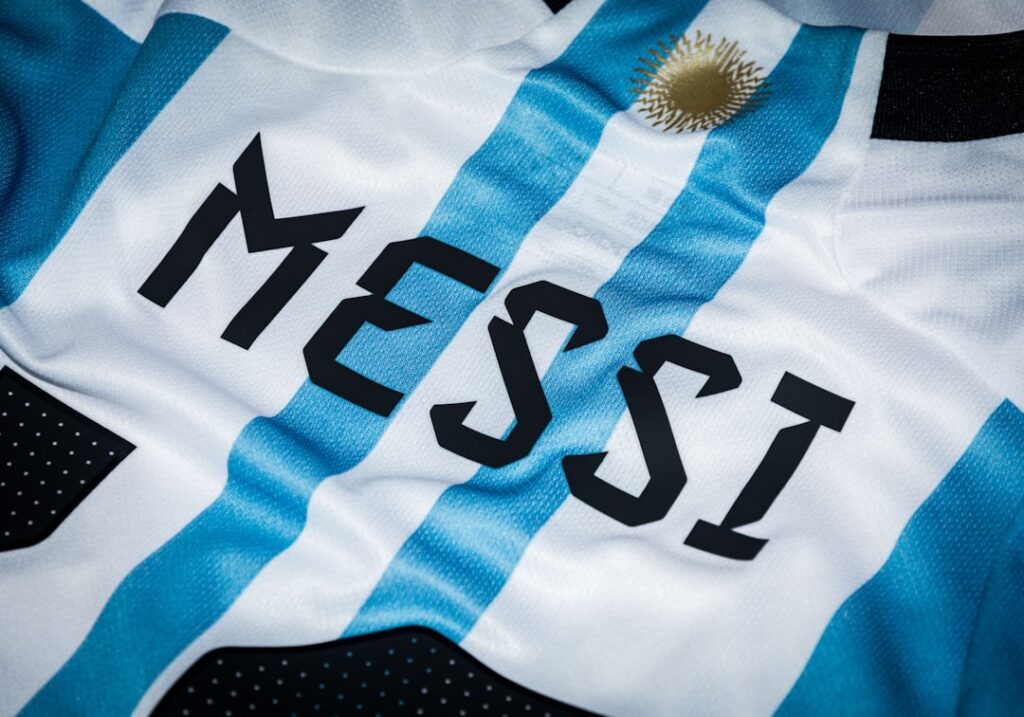

As the excitement for the FIFA World Cup 2026 builds up, so does the risk of falling victim to ticket scams. The World Cup is the pinnacle of football’s grand stage, bringing together fans from every corner of the globe to witness the world’s best teams and players compete. However, the demand for tickets makes the World Cup a prime target for scammers, seeking to exploit unsuspecting fans. To ensure your journey to the epic football fiesta remains joyful and scam-free, here’s a comprehensive guide on how to avoid ticket scams.
Understanding the Allure of World Cup Tickets
The FIFA World Cup is more than just a tournament—it’s a cultural phenomenon. With only a few hundred thousand tickets available, and fans numbering in the millions, getting your hands on a ticket is a dream for many. This high demand coupled with limited supply creates fertile ground for fraudsters. Unlike regular club games that occur weekly, the World Cup comes once every four years, further amplifying its allure. Who wouldn’t want to see the world’s elite, like Lionel Messi or Kylian Mbappe, perform on the grandest stage?
Common Ticket Scam Tactics
Unfortunately, scammers have honed their deceptive tactics over the years. These are some common tricks to watch out for:
- Fake Websites: Scammers create professional-looking websites that mimic official FIFA ticket outlets. They might even use similar domain names and branding, tricking fans into believing they are legitimate.
- Social Media Scams: Fraudsters use social media platforms to entice fans with too-good-to-be-true offers. They might promise a last-minute ticket or a VIP package that doesn’t exist.
- Counterfeit Tickets: Some scammers physically print fake tickets that look remarkably authentic, especially in the panic leading up to a match day.
How to Protect Yourself
Fortunately, there are several steps you can take to ensure you’re buying the real deal. Here are some key tips for safeguarding your World Cup experience:
- Purchase Only from Official Sources: Always buy your tickets from FIFA’s official website or authorized resellers. FIFA regularly updates its list of approved sellers.
- Check the URL: Ensure that the site’s URL is correct and begins with ‘https’, indicating a secure and encrypted connection.
- Be Wary of Unbelievable Offers: If a deal seems too good to be true, it likely is. Be cautious of offers that claim to provide ‘exclusive’ access or discounts.
- Verify Seller Credentials: Use feedback and reviews from past transactions to confirm the authenticity of any resale provider.
- Use Secure Payment Methods: Always use credit cards or secure payment methods that offer some form of buyer protection in case of fraud.
Reflecting on FIFA’s Efforts
FIFA has continuously worked to combat ticket fraud. Initiatives like official mobile ticketing and personalized tickets aim to reduce counterfeiting risks. Additionally, by mandating the personal verification of ticket holders, FIFA ensures only genuine fans get to experience the magic live, potentially boosting Team USA’s home advantage in 2026.
What to Do If You Fall Victim
If you suspect a scam or have unfortunately fallen into one, it is crucial to act quickly. Report the incident to local authorities and file a complaint with your bank to potentially reverse fraudulent charges. Sharing your experience on fan forums and social media can also help warn others about fraudulent activities.
Remember to stay vigilant, arm yourself with knowledge, and prioritize safety. The World Cup is meant to be a source of joy and unity, and with these precautions, you can focus on what truly matters—supporting your team.
Join the Conversation
How do you ensure you get authentic FIFA World Cup tickets? Have you encountered or avoided a scam in the past? Share your stories and tips below!
Stay tuned to CupVibes.com for more updates and insights on the Road to World Cup 2026!